What Are the Differences Between CBT and DBT? Find the Right Therapy for You
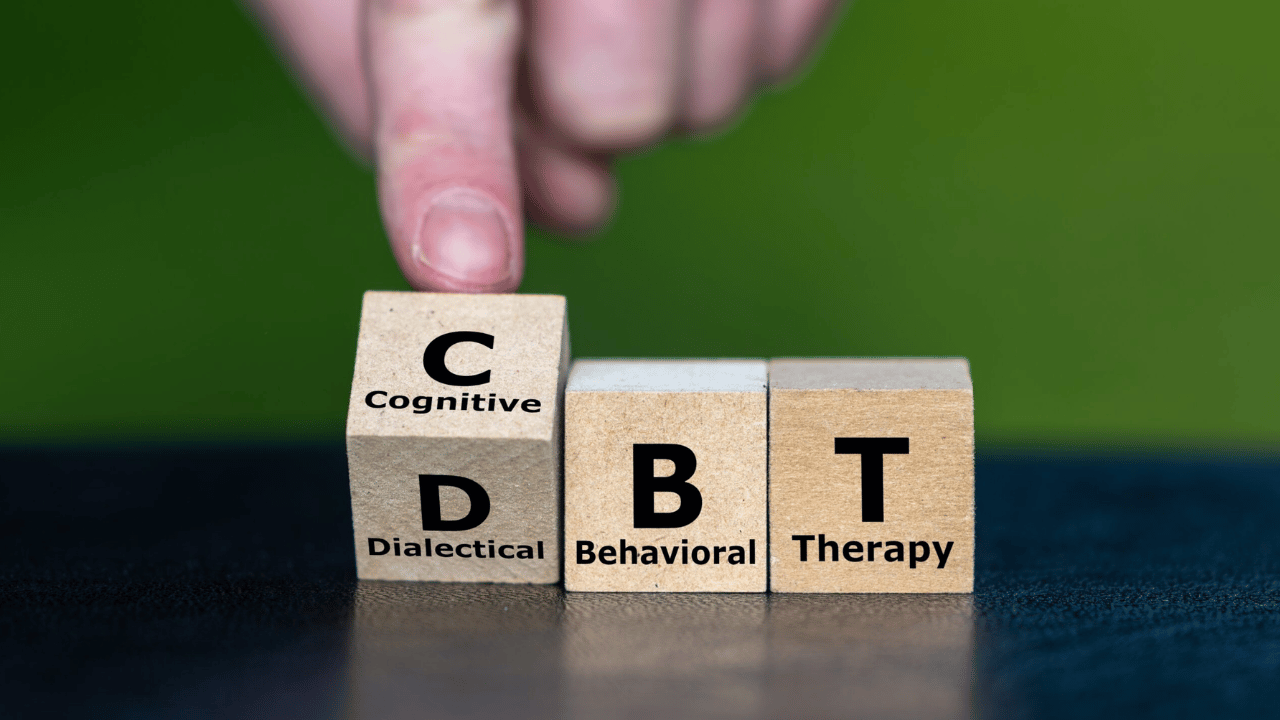
Choosing the right therapy can feel overwhelming, especially when there are so many options available. Cognitive Behavioral Therapy (CBT) and Dialectical Behavior Therapy (DBT) are two of the most popular forms, but how do you know which one is the best fit for you? While both therapies aim to improve mental health, they approach treatment in unique ways. CBT focuses on identifying and changing negative thought patterns, while DBT emphasizes building skills for emotional regulation and improving interpersonal relationships.
Understanding these differences can help you make an informed decision about your path to mental wellness. Whether you’re struggling with anxiety, depression, or emotional instability, selecting the right therapy is key to feeling better faster! Keep reading to discover how each therapy works and how to determine which approach aligns with your needs.
What Is Cognitive Behavioral Therapy (CBT)?

How Does CBT Work?
Cognitive Behavioral Therapy (CBT) is a widely used therapeutic approach that helps individuals identify and change negative patterns of thinking and behavior. The premise of CBT is simple: our thoughts influence our feelings, and our feelings influence our actions. By addressing distorted thinking, CBT helps individuals reframe negative thoughts and replace them with healthier, more realistic perspectives.
Core Techniques in CBT
CBT employs several techniques to challenge negative thought patterns, including:
Cognitive Restructuring: Replacing irrational or harmful thoughts with balanced, evidence-based alternatives.
Behavioral Activation: Encouraging clients to engage in positive activities to break the cycle of depression and anxiety.
Thought Records: Writing down and analyzing negative thoughts to see how they distort reality and identifying more rational alternatives.
What Conditions Does CBT Treat?
CBT is effective for a range of mental health conditions, including:
Anxiety disorders
Depression
Obsessive-compulsive disorder (OCD)
Post-traumatic stress disorder (PTSD)
Phobias
Benefits of CBT
Short-term, Goal-oriented: CBT is often a short-term treatment that focuses on specific issues.
Empowering: Clients learn to become their own therapists by gaining tools to manage future challenges.
Research-backed: CBT has been proven effective in treating numerous mental health issues, with a substantial body of research supporting its success.
What Is Dialectical Behavior Therapy (DBT)?

How Does DBT Work?
Dialectical Behavior Therapy (DBT), developed by Dr. Marsha Linehan in the late 1980s, was originally designed to treat individuals with borderline personality disorder (BPD) but has since been adapted to treat various other mental health conditions. DBT focuses on helping individuals develop skills to manage intense emotions, improve interpersonal relationships, and reduce self-destructive behaviors.
The key component of DBT is the concept of "dialectics," which refers to the balance between two seemingly opposite concepts: acceptance and change. DBT emphasizes both accepting your current emotional state and striving for personal growth and change.
Core Techniques in DBT
DBT includes individual therapy sessions, skills training, and phone coaching. The main skills taught in DBT are:
Mindfulness: Becoming more aware of your thoughts and feelings without judgment.
Distress Tolerance: Learning to tolerate painful emotions without acting impulsively.
Emotion Regulation: Understanding and managing intense emotions in a healthy way.
Interpersonal Effectiveness: Building better communication skills and improving relationships.
What Conditions Does DBT Treat?
DBT is most commonly used for:
Borderline personality disorder (BPD)
Self-harm and suicidal behavior
Post-traumatic stress disorder (PTSD)
Depression
Eating disorders
Substance use disorders
Benefits of DBT
Comprehensive Approach: DBT addresses emotional regulation, relationships, and self-destructive behavior.
Group and Individual Therapy: It combines individual therapy sessions with group skills training for holistic treatment.
Focus on Real-life Skills: Clients develop practical coping mechanisms they can apply immediately in their daily lives.
CBT vs DBT: Key Differences
Treatment Focus
CBT: Primarily focuses on changing distorted thinking patterns and behaviors.
DBT: Combines emotional regulation with mindfulness, distress tolerance, and interpersonal effectiveness.
Approach to Therapy
CBT: A structured, goal-oriented approach that helps patients reframe negative thought patterns.
DBT: More flexible and emphasizes acceptance while striving for change. It often includes group therapy in addition to individual sessions.
Techniques Used
CBT: Cognitive restructuring, behavioral activation, thought records.
DBT: Mindfulness, distress tolerance, emotion regulation, interpersonal effectiveness.
Conditions Treated
CBT: Primarily used for anxiety, depression, OCD, PTSD, and phobias.
DBT: Focuses more on mood disorders, self-destructive behaviors, and personality disorders, especially BPD.
Which Therapy Is Right for You?
Consider Your Needs and Goals
Choosing between CBT and DBT depends on your specific goals and the mental health issues you're facing. If you're struggling with anxiety, depression, or thought patterns that negatively affect your life, CBT might be the best fit. On the other hand, if you're dealing with emotional dysregulation, self-harm, or relationship struggles, DBT may be the right therapy for you.
Personal Preferences and Therapy Style
DBT's focus on mindfulness and acceptance may appeal to those who appreciate a more holistic, emotionally centered approach. CBT is more structured and practical, making it ideal for those who prefer a goal-oriented approach to problem-solving.
FAQ
What Is the Main Difference Between CBT and DBT?
The main difference is that CBT focuses on identifying and changing negative thoughts and behaviors, while DBT helps individuals manage intense emotions and improve interpersonal skills.
Which Therapy Is More Effective for Depression?
Both CBT and DBT have been shown to be effective in treating depression. However, CBT tends to be more commonly used for this condition as it directly addresses negative thinking patterns associated with depression.
Can DBT Be Used for Anxiety?
Yes, DBT can be helpful for anxiety, especially when it’s linked to emotional regulation difficulties. It teaches distress tolerance and emotion regulation, which can help reduce anxiety.
How Long Does CBT or DBT Take?
CBT typically lasts between 12 to 20 sessions, while DBT is often longer, taking up to a year or more due to its comprehensive nature, including group therapy and skills training.
Can You Combine CBT and DBT?
In some cases, therapists may combine elements of both CBT and DBT to address different aspects of a patient's condition. For example, someone may use DBT for emotional regulation and CBT for managing negative thought patterns.
Conclusion
Both Dialectical Behavior Therapy (DBT) and Cognitive Behavioral Therapy (CBT) are highly effective therapeutic approaches, but they target different aspects of mental health. CBT is perfect for addressing negative thought patterns and behaviors, making it ideal for anxiety, depression, and similar conditions. DBT, on the other hand, focuses on emotional regulation, interpersonal skills, and reducing self-destructive behaviors, making it beneficial for mood disorders and personality disorders like BPD.
Ultimately, the right therapy for you depends on your unique needs, preferences, and goals. If you're unsure which therapy is the best fit, consider consulting with a licensed therapist who can help guide your decision-making process based on your specific situation.
If you’re ready to explore either CBT or DBT and find the best approach to improving your mental health, contact Awaken Mind Center today. Our team of experienced therapists is here to help you navigate your journey toward emotional well-being and personal growth. Let’s work together to create a plan that works for you!