What Is CBT Therapy for Couples and How Does It Work?
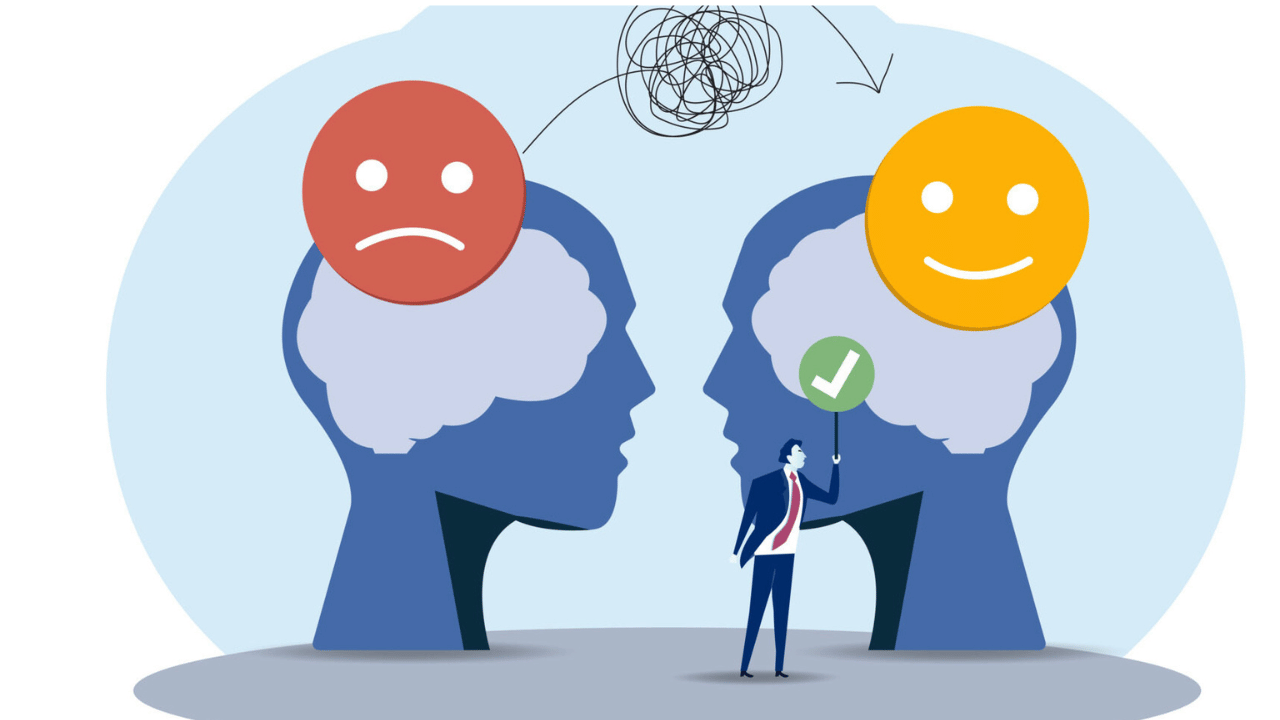
CBT therapy for couples is a structured form of talk therapy that helps partners identify unhealthy thought patterns, emotional triggers, and conflict habits, then replace them with better communication and problem-solving skills. It is practical, goal-focused, and designed to help couples reduce recurring conflict and improve connection.
When a relationship feels tense, distant, or stuck in the same painful loop, advice alone rarely fixes it. Most couples do not need more vague reminders to “communicate better.” They need a clear way to understand what keeps going wrong and what to do differently the next time it happens.
That is where cbt therapy for couples can help.
This approach is not about assigning blame. It is about learning how thoughts, feelings, and behaviors work together inside a relationship. One partner assumes the worst. The other shuts down. A small disagreement turns into criticism, defensiveness, and silence. Over time, that pattern becomes the real problem. CBT helps couples slow that cycle down and change it with specific tools.
From a practical standpoint, this is why many couples like CBT. It feels active. You do not just talk about problems. You learn how to respond differently in real life. Sessions often focus on communication habits, emotional triggers, beliefs about the relationship, and homework exercises that help both partners practice new skills between appointments.
What is CBT therapy for couples?
CBT therapy for couples is a relationship-focused version of cognitive behavioral therapy. Cognitive behavioral therapy helps people notice inaccurate or harmful automatic thoughts, understand how those thoughts affect emotions and behavior, and replace self-defeating patterns with healthier responses. In couples work, that same framework is applied to the relationship dynamic.
Instead of looking only at one person’s distress, couples CBT asks questions like:
What thought went through your mind when your partner said that?
What emotion came next?
How did you react?
What did your reaction trigger in your partner?
What would a healthier response look like?
This matters because relationship pain is often maintained by repeating cycles, not just one-time events. For example, one partner may think, “They do not care about me,” then respond with criticism. The other may think, “I can never get this right,” then become defensive or emotionally unavailable. CBT helps both people catch that sequence earlier and change it.
How does CBT therapy for couples work?
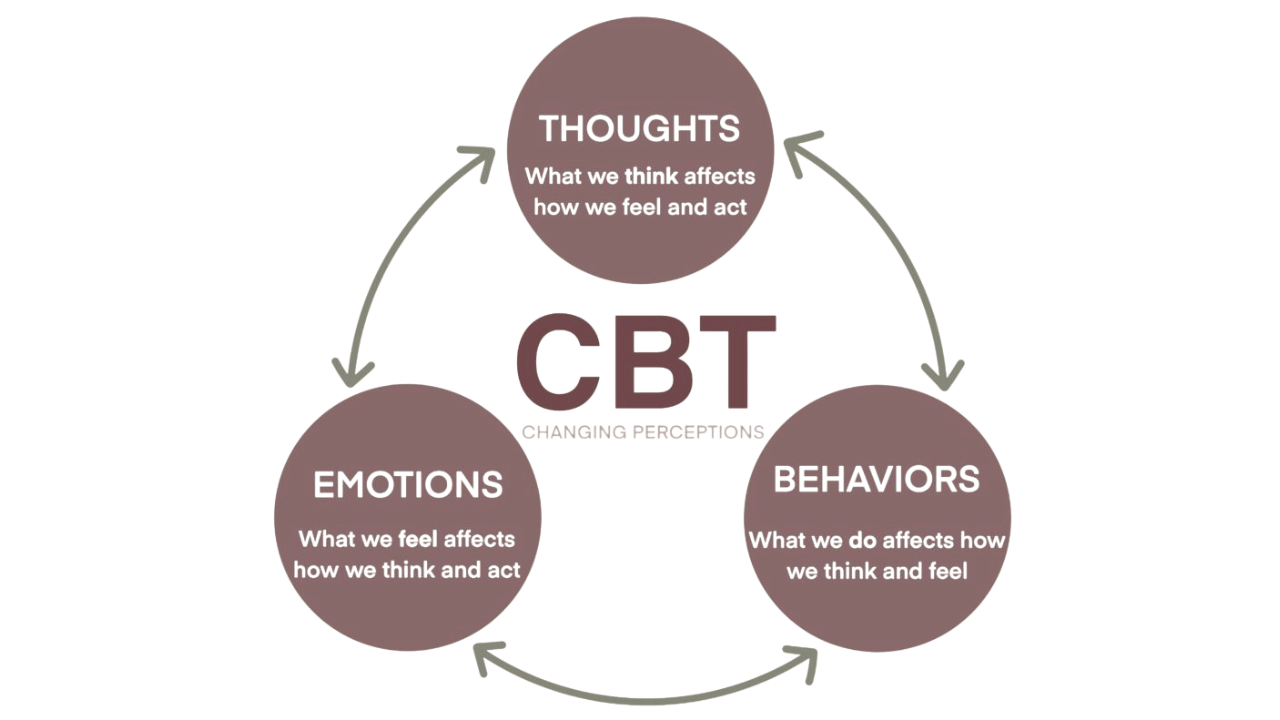
At its core, CBT for couples works by changing three things:
Thought patterns
Emotional responses
Behavior patterns
A therapist helps the couple identify the hidden beliefs or automatic thoughts behind conflict. Then they test those thoughts, challenge distortions, and build more balanced responses. At the same time, they teach communication and behavior strategies that reduce escalation and improve teamwork.
A simple example
| Situation | Automatic Thought | Reaction | Better CBT Response |
|---|---|---|---|
| Partner comes home late | “I am not important” | Criticism or anger | Ask directly for reassurance and information |
| Partner seems quiet | “They are upset with me” | Anxiety or pushing | Check in calmly instead of assuming |
| Argument starts | “I have to defend myself” | Interrupting, blame | Pause, reflect, respond more clearly |
| Conflict feels intense | “Nothing will change” | Stonewalling or shutdown | Take a timed break and re-engage later |
What problems can CBT therapy for couples help with?
CBT-based couples work can help with many common relationship concerns, including:
Recurring arguments
Communication breakdown
Emotional distance
Trust issues
Resentment
Stress-related conflict
Parenting disagreements
Intimacy struggles
Anxiety or depression affecting the relationship
Negative assumptions about a partner’s intentions
Clinical guidance from NICE also recognizes behavioural couples therapy as a consideration for a person with depression when relationship problems with a partner may be contributing to or maintaining symptoms. That does not mean couples therapy replaces individual treatment in every case, but it does show that relationship dynamics can play a meaningful role in mental health and recovery.
Why do couples get stuck in the same fights?
Most recurring fights are not really about the dishes, texting, money, or timing. Those are just the surface issues. The deeper problem is the pattern underneath.
One partner may pursue. The other may withdraw. One criticizes. The other gets defensive. One brings up an issue harshly. The other shuts down. Research popularized by the Gottman Institute describes destructive conflict markers such as criticism, defensiveness, contempt, and stonewalling, often called the “Four Horsemen.” Gottman’s research pages also describe strong predictive power for relationship outcomes across longitudinal studies.
CBT helps by interrupting these cycles early. Instead of arguing about the same content again and again, couples learn to notice:
the trigger
the meaning each person attached to it
the emotion that followed
the behavior that escalated things
That is a big shift. Once a couple can name the pattern, they are no longer trapped inside it.
What happens in a CBT couples therapy session?
A good CBT couples therapist is usually structured, active, and goal-oriented. Sessions often include discussion, reflection, skill-building, and practice.
Common parts of treatment
1. Assessment and goal setting
The therapist learns what is happening in the relationship, how long the issues have been present, what each partner wants to improve, and whether any concerns require a different or higher level of care.
2. Identifying patterns
The couple maps out common conflicts and the thoughts, feelings, and behaviors attached to them.
3. Cognitive restructuring
This means spotting distorted thinking and replacing it with more balanced interpretations. For example:
“They ignored me on purpose” may become “I felt hurt, but I need more information before assuming intent.”
4. Communication skill building
Couples practice tools such as:
speaking in clear, specific language
using softer start-ups
active listening
summarizing before responding
making direct requests instead of criticizing
5. Behavioral exercises
Partners may be asked to practice:
check-ins
appreciation habits
problem-solving steps
conflict repair routines
scheduled conversations at low-stress times
6. Homework
CBT often includes exercises between sessions because real change happens through repetition, not insight alone.
What techniques are used in CBT therapy for couples?
Here are some of the most common tools.
Thought tracking
Each partner learns to notice the thought that appears right before a strong reaction. This is often the missing link in conflict.
Reframing
The therapist helps partners challenge extreme or unhelpful interpretations.
Behavioral experiments
The couple tests a new response and sees what changes.
Communication scripts
These help couples replace blame with clearer, calmer statements.
Problem-solving frameworks
Instead of debating who is right, couples learn how to define the issue, consider options, and agree on next steps.
Repair attempts
Partners learn how to de-escalate before the conflict becomes damaging.
These techniques align with the broader CBT model described by NIMH and APA, which focuses on identifying harmful thinking patterns, understanding their effect on feelings and actions, and changing self-defeating behavior.
Is CBT therapy for couples effective?

For many couples, yes. CBT is one of the most established and researched psychotherapy approaches overall. APA notes that numerous studies suggest CBT leads to significant improvement in functioning and quality of life, and NIMH describes CBT as a structured approach that helps people identify harmful thinking patterns and develop healthier coping and problem-solving strategies.
For couples specifically, effectiveness often depends on:
how motivated both partners are
whether both people participate honestly
how early the couple seeks help
whether there are complicating issues such as abuse, untreated addiction, or severe psychiatric symptoms
In my view, CBT tends to be especially useful for couples who say things like:
“We keep having the same fight.”
“We love each other, but our communication is terrible.”
“We both get triggered fast.”
“We need tools, not just a place to vent.”
Who is a good fit for CBT couples therapy?
CBT may be a strong fit if you and your partner want a therapy style that is:
practical
structured
present-focused
skill-based
collaborative
measurable
It may be especially appealing to couples who want direct tools they can use between sessions. Some people do better with this than with open-ended therapy because it feels more concrete.
It may be a good fit when:
both partners want to improve the relationship
conflict patterns are clear and recurring
assumptions and miscommunication drive arguments
anxiety, stress, or low mood are affecting the relationship
the couple wants homework and practical exercises
It may not be enough on its own when:
there is ongoing abuse or coercive control
one partner is not safe to speak openly
there is active substance misuse with no treatment plan
there are severe untreated mental health symptoms requiring individual care first
In those situations, a therapist may recommend a different sequence of care or additional support.
How long does CBT therapy for couples take?
There is no perfect number for every couple, but CBT is generally considered a structured, time-limited approach compared with some longer-term therapy models. The exact timeline depends on the complexity of the problems, how often sessions happen, and how consistently both partners practice skills between sessions.
A rough expectation might look like this:
StageWhat Often HappensEarly sessionsAssessment, goals, identifying cyclesMiddle phaseSkill-building, practice, feedback, behavior changeLater phaseStrengthening progress, relapse prevention, maintenance
Couples who apply the tools outside therapy usually make better progress than couples who only engage during the session.
Can CBT help rebuild trust?
Yes, but only when trust repair is treated as a process, not a promise.
CBT does not magically erase betrayal, secrecy, or repeated hurt. What it can do is help couples slow down assumptions, express pain more clearly, respond with greater accountability, and create consistent behaviors that rebuild safety over time.
For trust repair, therapy often focuses on:
honest conversations without spiraling
identifying triggers and fear responses
setting behavioral agreements
reducing mind-reading and catastrophic thinking
increasing predictability and follow-through
The key idea is this: trust usually returns through repeated evidence, not one emotional conversation.
Can CBT therapy for couples be done online?
Yes. Many therapists now offer virtual sessions, and online therapy can work well for couples who need convenience, privacy, or easier scheduling. NIMH also notes the growing role of technology in mental health treatment, though quality and fit still matter.
Online CBT couples therapy may be a good option when:
schedules are busy
partners travel often
childcare is a barrier
the couple prefers the comfort of home
The most important factor is not whether therapy is online or in person. It is whether the therapist is a good fit and the couple actually uses the process.
What should you expect after starting CBT as a couple?
Most couples do not feel instantly “fixed” after one session. In fact, early sessions can feel uncomfortable because patterns become more visible. That is normal.
What usually improves first is awareness. Then comes better communication. Then, with practice, more emotional safety and more productive conflict.
Signs it may be helping
arguments end faster
blame decreases
listening improves
both partners feel less reactive
requests become clearer
repair happens sooner after conflict
the relationship feels more like a team
That progression matters. Real relationship change is usually built through small repeated wins.
Practical takeaways couples can use today
Even before therapy starts, couples can borrow a few CBT-style habits.
1. Name the thought before the fight
Ask yourself: “What story am I telling myself right now?”
2. Slow the interpretation
Before assuming intent, look for another possible explanation.
3. Replace criticism with a direct request
Say what you need instead of attacking the other person.
4. Watch for the escalation signs
If criticism, contempt, defensiveness, or shutdown are showing up, pause early.
5. Focus on one issue at a time
Do not stack five old resentments into one conversation.
These are simple ideas, but they are powerful because they change the interaction in the moment.
FAQ
What is CBT therapy for couples?
CBT therapy for couples is a structured type of therapy that helps partners identify unhealthy thoughts, emotional triggers, and behavior patterns that create conflict, then replace them with healthier communication and coping strategies.
How is CBT for couples different from regular couples therapy?
CBT for couples is usually more structured and skill-based. It focuses heavily on thoughts, behaviors, communication patterns, and practical tools that couples can use between sessions.
Does CBT couples therapy really work?
It can be very effective for couples dealing with recurring arguments, negative assumptions, stress, and communication breakdowns, especially when both partners are motivated and consistent. Broader CBT evidence from APA and NIMH supports its effectiveness as a psychotherapy approach.
How long does CBT therapy for couples take?
The timeline varies, but CBT is often a more structured and time-limited approach than some other therapy styles. Progress depends on the couple’s goals, the severity of the issues, and follow-through between sessions.
Can CBT couples therapy help with trust issues?
Yes. CBT can help partners challenge harmful assumptions, communicate more clearly, and build trust through consistent behavior, accountability, and healthier conflict repair.
Conclusion
Relationships rarely break down because two people do not care. More often, they break down because the same unhelpful thoughts, emotional triggers, and reactions keep taking over. That is why cbt therapy for couples can be so valuable. It gives couples a practical way to understand conflict, improve communication, and rebuild connection with tools they can actually use in daily life.
If you and your partner feel stuck in the same cycle, getting support early can make a real difference. With the right guidance, it becomes easier to move from blame, frustration, and distance toward clarity, teamwork, and emotional safety. Awaken Mind Center offers supportive, structured care for couples who want to strengthen their relationship and create healthier patterns that last.